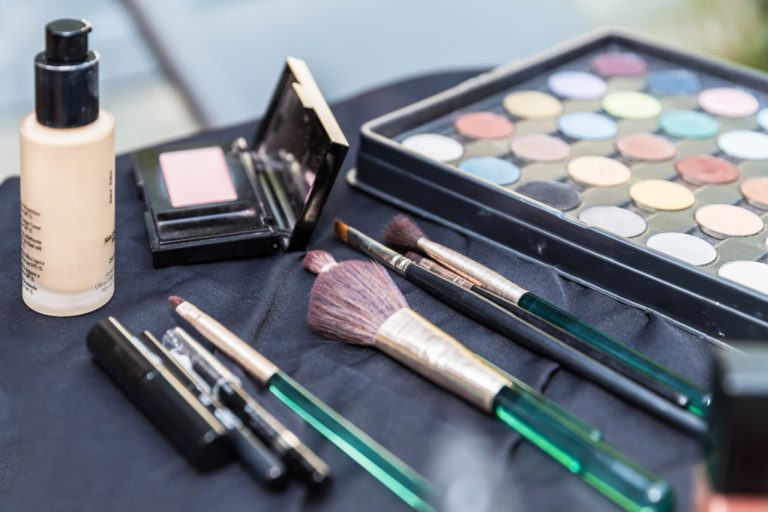
While it’s true that a makeup portfolio is simply a series of photos, it’s essentially a resume that shows the world your talents and how unique your makeup skills are. Whether you want to work as a freelancer, apply to work in a salon or makeup company, or have an amazing portfolio to share on social media, a professional portfolio will shine your talent and professionalism.
A good portfolio demonstrates a makeup artist’s skill level, creativity and ability to accommodate varying client requests – all essential elements to assist in the continual development of one’s personal and professional life.
Portfolio Strategy
Determine Your Objectives
The first step is to figure out the purpose of the portfolio you’re about to build:
Portfolio That Pleases the Client: Show the type of things that weddings, events, and photoshoots require.
Portfolio for Professional Promotion: Develop a portfolio to present your artistic abilities to potential employers.
Portfolio: Highlight editorial, artistic, or creative styles.
Knowledge of the intended audience will aid in the selection of the images, the makeup look and the form of presentation.
Do Your Best Work
Remember: it’s quality, not quantity. Provide examples of:
Demonstrate different techniques (foundation, eyeshadow, contouring, special effects).
May represent different styles (natural, dramatic, editorial, avant-garde).
Applicability: Show that it works well on different complexions, skin types, and facial structures.
Plan Ahead
Organize your work into categories or series so people can quickly find what they like. Like:
Makeup for Weddings & Events
Looks From Editorial & Photoshoots
Artistic & Experimental Looks
Photography
Environment and Lighting
Daylight provides true to life color and shows texture.
The soft, diffused light eliminates harsh shadows and tones down the rough texture.
Remove the background. Keep it clean and simple so the focus is on the makeup look.
Section 1: Camera and Equipment
You can use a DSLR or smartphone camera for quality photos.
Shoot with a tripod to maintain a fixed frame.
Take different views (front, profile, close up) to cover all details.
Editing and Consistency
Please lightly retouch images for legibility, but don’t significantly change the colours or features.
Edit the photos to have the same lighting, background and cut so they are cohesive with the rest of the portfolio.
Properly label photos with the technique or product if applicable.
Here’s a sample list of abilities to include: Showcasing a Range of Skills Highlight Technical Proficiency
Also add examples that show your competence with:
Foundation, concealer, contour, highlight, etc.
EYE-DEAS: eyeshadow blending, eyeliner, lashes, etc
Lip (shapes, colors, gradients, etc.)
Other techniques (creative, innovative, or editorial layouts)
Variety of models
Makeup looks on different skin tones, facial structures and ages will prove you’re versatile and professional. This will also show clients and potential employers that you can work with different types of people.
Personal Projects
If you have any experimental or creative makeup work, add it to your portfolio to show creativity and individuality. Editorial, color work, or creative makeup designs help differentiate you from other makeup artists.
Digital Portfolio
Launch a professional website or online portfolio to showcase your art to more people.
Leverage social media to share your projects and connect with potential clients.
Images should be optimized for web use, but should not compromise on the visual quality.
My Portfolio
Printed images are useful for both interviewing and working with clients in the same room.
Bind your photographs in a neat, professional-looking portfolio or book.
Captions: Add a line about a technique or product shown.
Hybrid Model
Digital and physical portfolios together provide the option of choosing either for meetings, interviews, or to share on the web.
Using your portfolio for self-promotion
Networking
Show your portfolio to agents, event planners and other photographers.
Visit beauty classes, conventions, or social media groups to get noticed.
What Our Clients Say
It can also be useful to include quotes or reviews from satisfied clients here to lend your business more credibility.
Showcase accomplishments and projects that show you are dependable and professional.
Social Media
Share portfolio pieces on your Instagram, TikTok, or even LinkedIn account on a regular basis.
Brand your content with consistent handles, hashtags, and captions that will help the right people find it.
Improvement Ongoing
Freely Updates
Continually post work so it is up to date with the latest skills, trends and methods.
I would also recommend getting rid of old or not-as-great examples in order to keep a high quality portfolio.
Ask for Comments
Get feedback from supervisors, peers, or customers to polish presentation.
Use constructive feedback to improve technique and visual storytelling.
Learning and Growth Document
“Use transformation photos. Include a ‘before’ and ‘after’ to display the transformation and progress of the skill learned.”
Keep a record of accomplishments, certifications and workshops you’ve attended to establish credibility.